Ada Practice Guide Using Your Ehr To Identify Your Patients At Highest Risk For Therapeutic Inertia Information Center
Get comprehensive updates, key reports, and detailed insights compiled from verified editorial sources.
About on Ada Practice Guide Using Your Ehr To Identify Your Patients At Highest Risk For Therapeutic Inertia

Dr. Robert Gabbay, Chief Scientific and Medical Officer of Early blood sugar (blood glucose) management leads to better health outcomes for people This webinar is designed for health care administrators, health care executives, payors, and change leaders in Featuring: Yoo Mee Shin, MD, Assistant Professor of Medicine, Division of Hospital Medicine Viniya Patidar, MD, Assistant ... In this segment, Dennis P. Scanlon, PhD; Zachary T. Bloomgarden, MD, MACE; Robert Gabbay, MD, PhD, FACP; Michael ... Dr. Neil Skolnik interviews Dr. Andrew Bzowychkyj, a PharmD and certified diabetes care and education specialist about his ...
Serge Jabbour, MD, and Davida F. Kruger, MSN, APN-BC, BC-ADM, address
Main Features

Explore the main sources for Ada Practice Guide Using Your Ehr To Identify Your Patients At Highest Risk For Therapeutic Inertia.
Developments

Stay updated on Ada Practice Guide Using Your Ehr To Identify Your Patients At Highest Risk For Therapeutic Inertia's latest milestones.
Featured Video Reports & Highlights
Below is a handpicked selection of video coverage, expert reports, and highlights regarding Ada Practice Guide Using Your Ehr To Identify Your Patients At Highest Risk For Therapeutic Inertia from verified contributors.

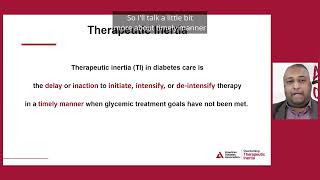
Therapeutic Inertia: What You Need to Know

Overcoming Therapeutic Inertia in Diabetes Care
Deep Dive
Data is compiled from public records and verified media reports.
Last Updated: May 22, 2026
Conclusion

For 2026, Ada Practice Guide Using Your Ehr To Identify Your Patients At Highest Risk For Therapeutic Inertia remains one of the most searched-for profiles. Check back for the latest updates.
Disclaimer:


